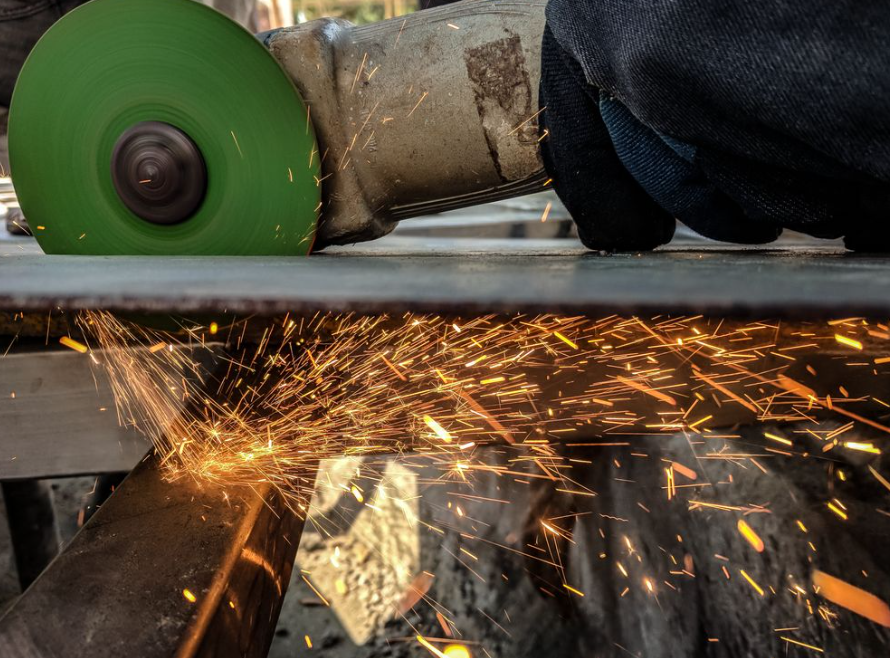
2026-06-12 When the grinding wheel loses its original shape, becomes uneven or worn thin, has chipped edges, reduced grinding efficiency or obvious vibration during use, it needs to be replaced immediately to ensure operation safety.
Read More 
2026-06-11 Standard grinding wheels must pass strict safety certifications and factory inspections. They need CE certification complying with EN 12413, and follow ISO 6103 for unbalance control. Factories conduct full visual checks, rotational tests at 1.5 times rated speed and dimensional tests to guarantee quality and operational safety.
Read More 
2026-06-10 Grinding wheels are marked with shape, size, abrasive, grain size, bond and max linear speed. Common types include flat, cup and depressed center wheels. Choose proper abrasives and grains for different workpieces and follow speed limits for safety.
Read More 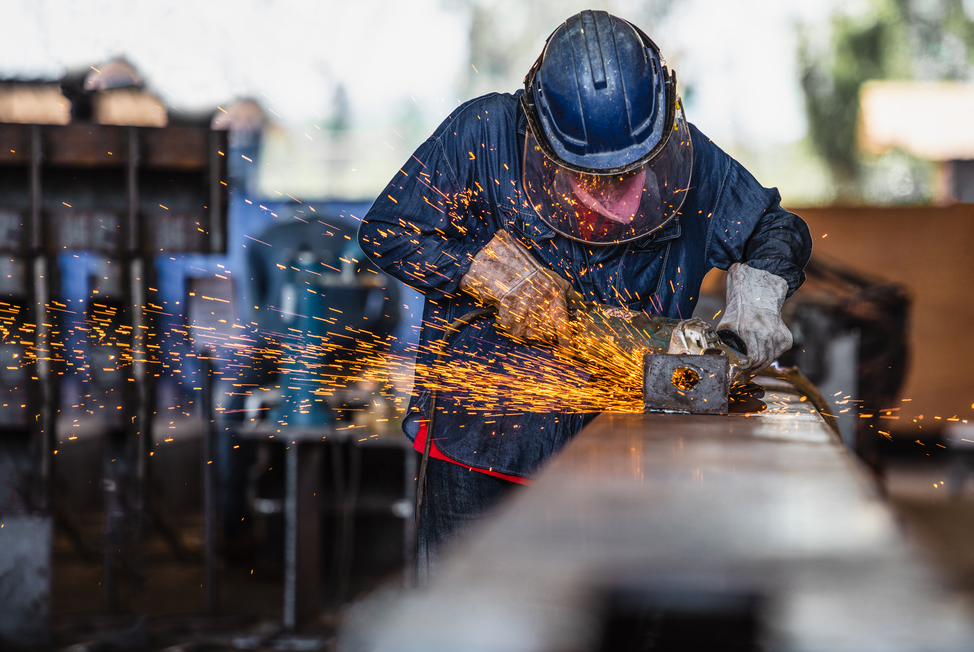
2026-06-09 Regularly clean the grinding wheel, check for cracks and wear. Store it dry, use at proper speed to avoid overload, which effectively extend its service life.
Read More 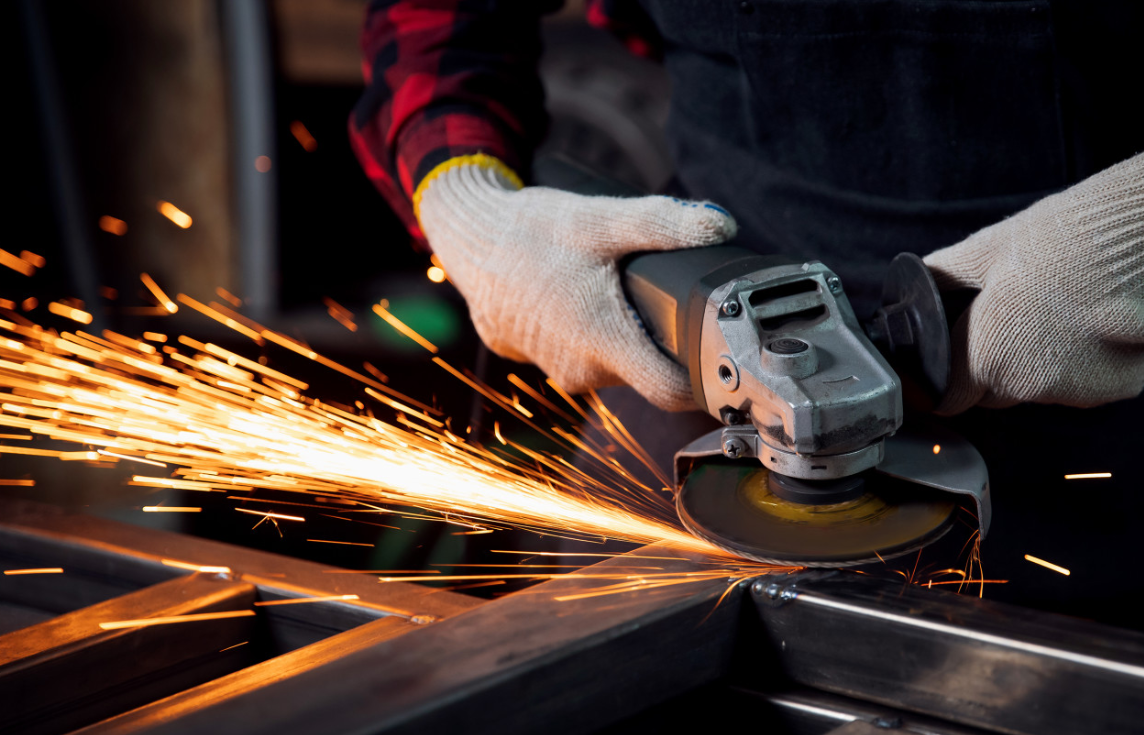
2026-06-08 Store idle grinding wheels in dry, cool and ventilated areas. Keep them away from heat, moisture and heavy pressure. Classify and place properly, inspect regularly and follow the shelf life rules strictly.
Read More 
2026-06-05 Cut off power immediately and evacuate operators. Remove broken wheel scraps, check guard and spindle fault. Discard damaged wheel entirely and install new qualified one, test run before reuse.
Read More 


