


A grinding wheel is a key abrasive tool. It is used for grinding, cutting and polishing metals, stone and ceramics.It is widely used in mechanical manufacturing and tool maintenance.
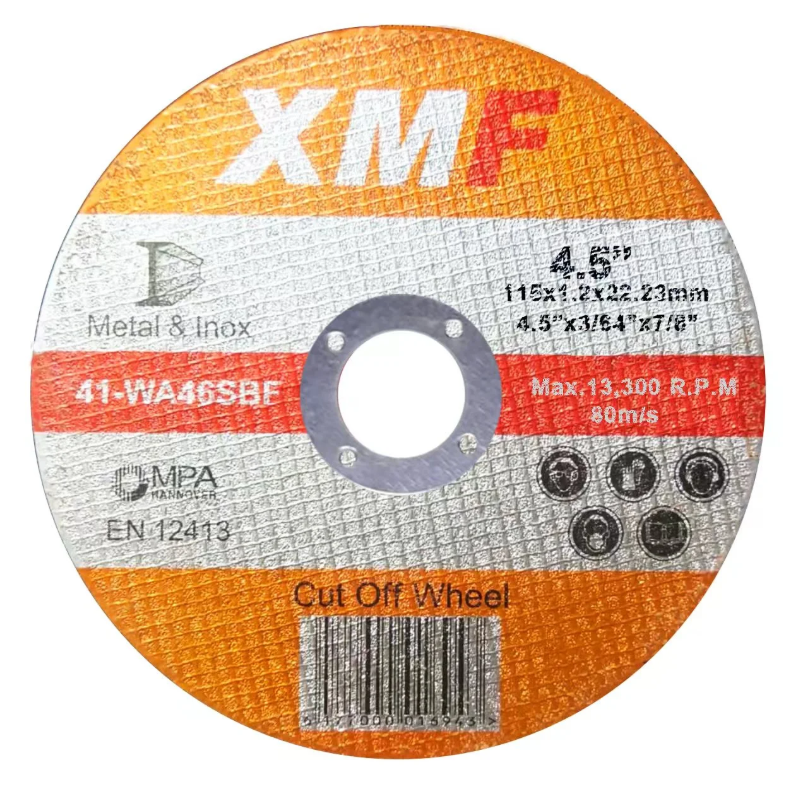
Grinding wheel flange gaskets are essential safety and stabilizing accessories for grinding wheel installation. Made of flexible paper or fiber materials, they are placed between metal flanges and the grinding wheel. Primarily, they evenly distribute clamping pressure to avoid local stress concentration, preventing wheel cracking or breakage during high-speed rotation. They also increase friction to prevent relative sliding and wheel runout, improving grinding stability and accuracy. Additionally, the gaskets isolate rigid metal contact, reduce vibration, block heat conduction, and protect the grinding wheel from damage, ensuring safe and smooth operation.
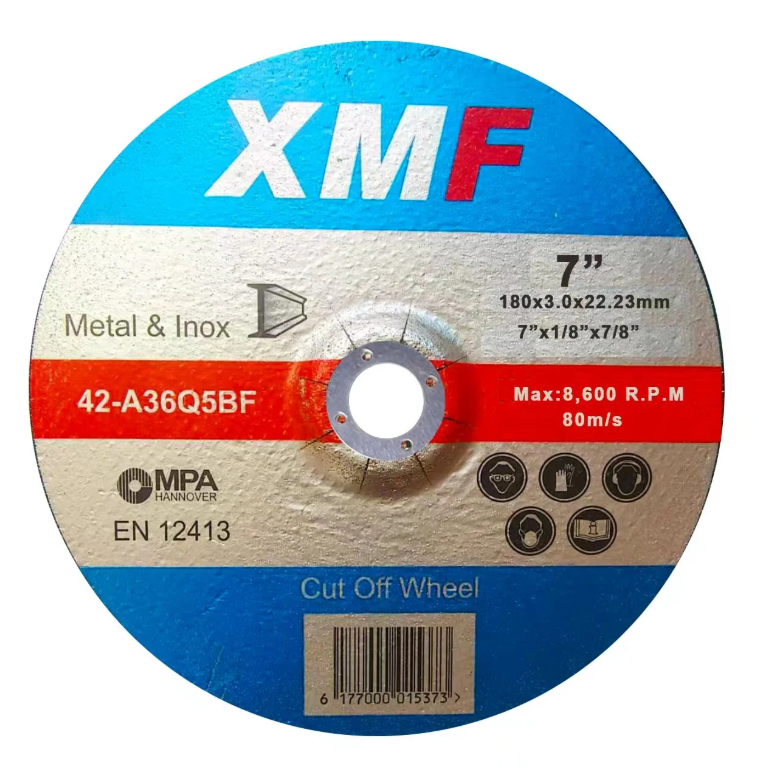
Choose thin wheels (0.8–1.6mm) for metal cutting to reduce kerf and heat, never grind sideways with them. Medium 3–6mm wheels fit daily polishing and weld cleaning with balanced strength. Thick wheels over 6mm suit heavy rough grinding for castings and thick welds. Hard workpieces need thicker wheels to avoid chipping, while soft metals use thin ones to prevent clogging. Match wheel thickness to grinder power to avoid motor overload and safety risks.
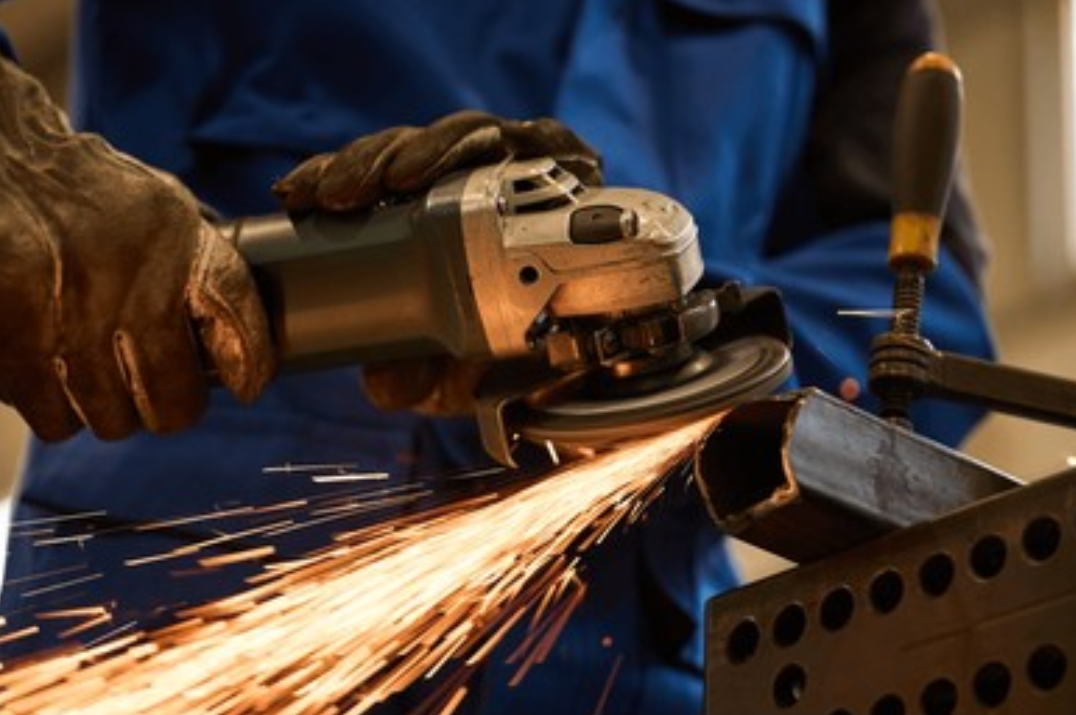
Grinding wheel clogging mainly results from four factors. Soft ductile metals like aluminum and stainless steel produce sticky chips that stick into wheel pores. Choosing ultra-fine grit or over-hard wheels makes grains blunt easily without shedding, causing heavy friction and debris buildup. Insufficient coolant fails to wash away swarf and reduces melting adhesion. Besides, delayed wheel dressing leaves dull grains, while frequent grinding of different materials brings cross-contamination, worsening blockage significantly.


